Project Maati-Cultivating a Circular Economy for a Sustainable Future
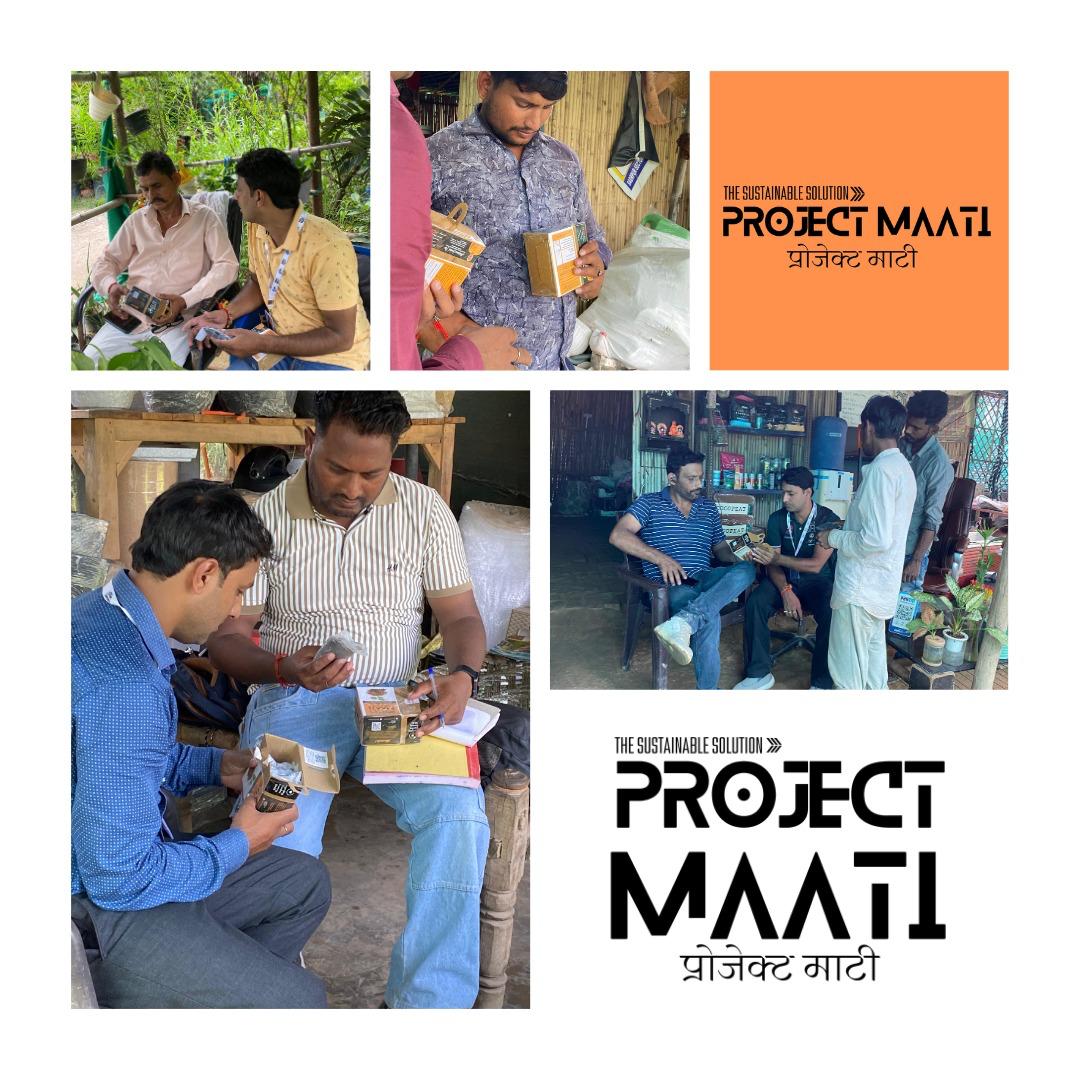
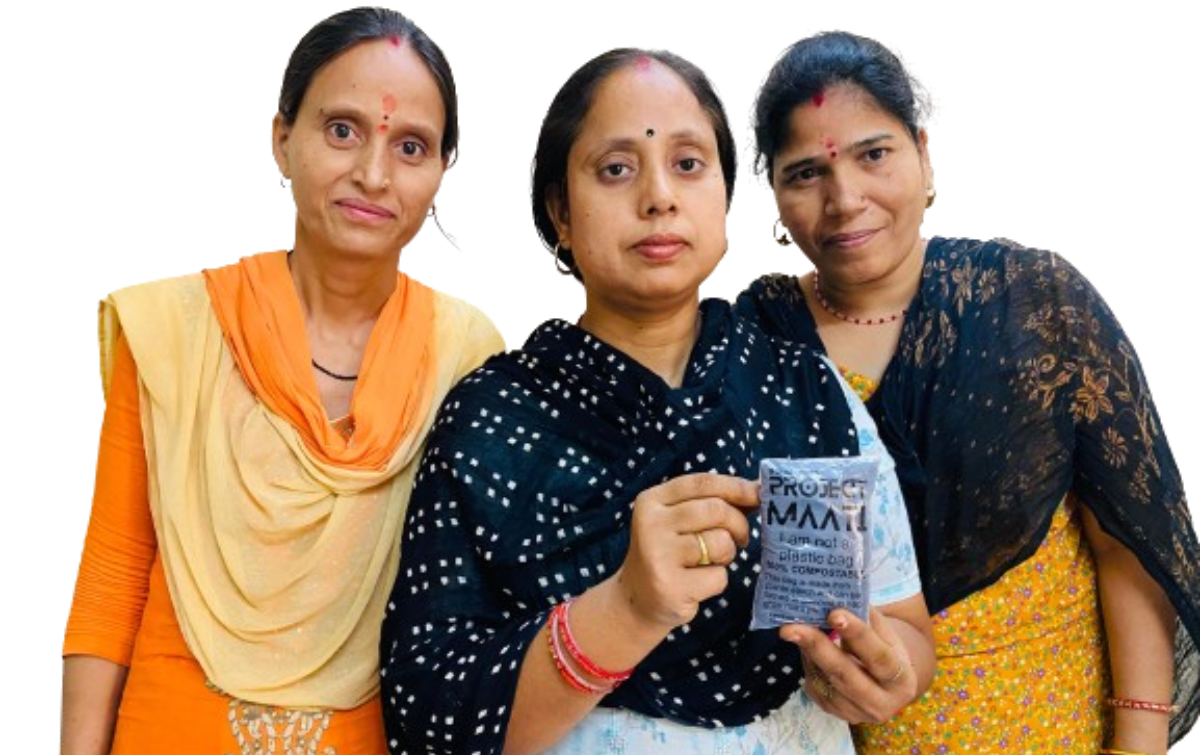
Project Maati began with a question: Can waste become worth? What started as a small composting experiment quickly evolved into a powerful movement. Families began turning their kitchen waste into soil gold. Societies adopted sustainable practices, nurseries grew local biodiversity, and corporates joined to offset their waste footprints.
This wasn’t just a green initiative—it became a community-led circular economy model where waste fuels regeneration. Every compost packet carries a story—of a child planting their first tree, of neighbors managing waste responsibly, of urban homes reducing their footprint.
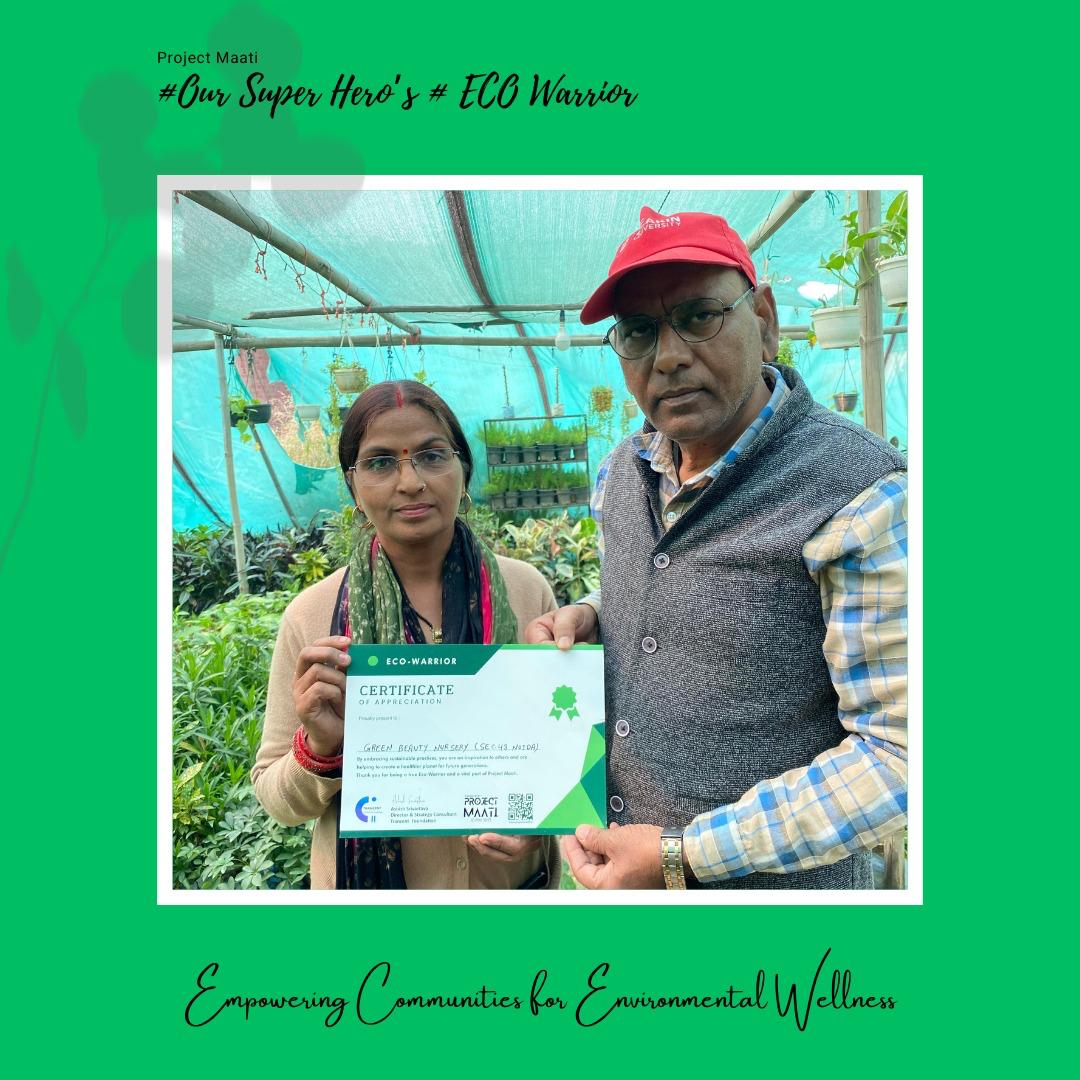
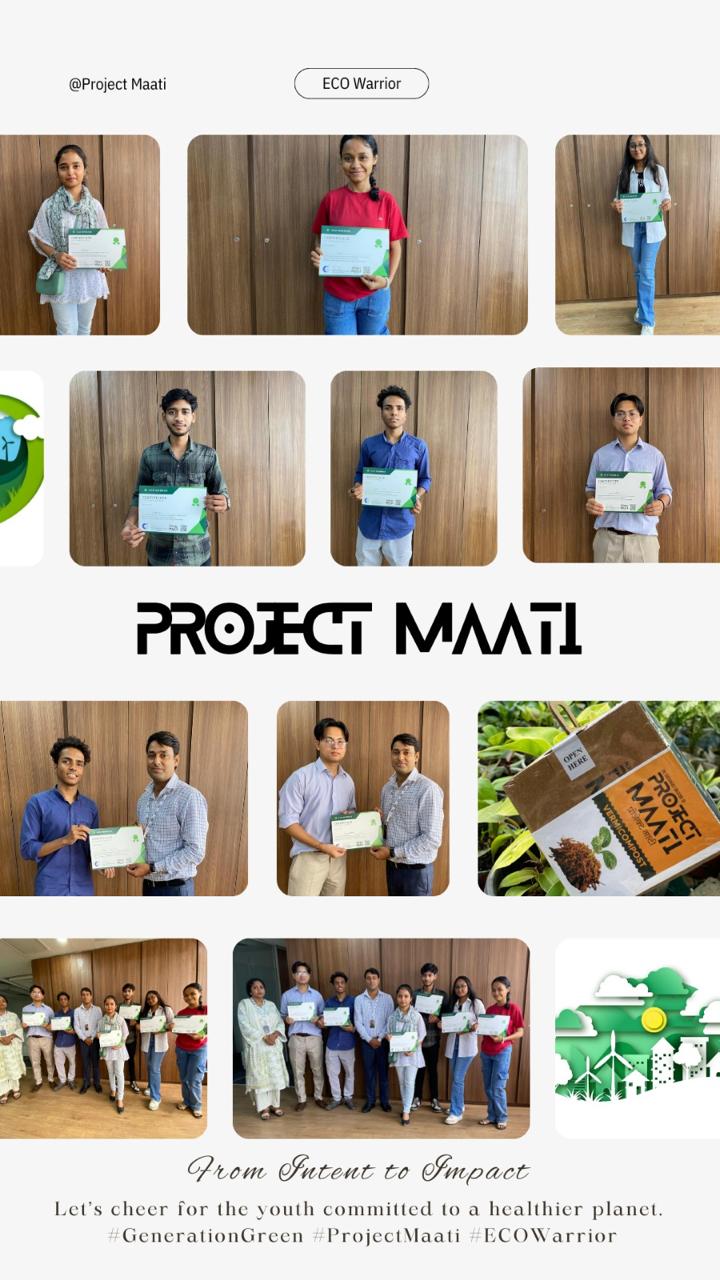
Backed by over 1000 nurseries, NGO’s and Corporates, Maati isn’t just managing waste—it’s inspiring change, one household, one packet, one tree at a time.
In a world of throwaway culture, Project Maati plants permanence—with people at its roots.
Project Maati is an initiative designed to tackle three major challenges simultaneously: waste management, rural employment, and soil health. The campaign aims to establish a community-led circular economy by transforming temple, household, and farm waste into high-quality organic vermicompost and distributing it back through a socially inclusive model. The vision is to build sustainable livelihoods, reduce landfill burden, and promote eco-conscious agriculture and gardening practices.
PROJECT MAATI – A brand committed to sustainable development, environmental stewardship, and socio-economic empowerment. The brand incubated and scaled Project Maati as one of its flagship environmental enterprises.
Integrate a brand story rooted in climate responsibility and community ownership.
India generates over 60 million tonnes of waste annually, with over 50% being biodegradable. Much of this ends up in landfills, emitting methane and polluting the environment. Simultaneously, millions of farmers and gardeners depend on synthetic fertilizers, degrading soil health.
Amidst this, Project Maati emerged as a local waste circularity model — where biodegradable waste is composted, packaged, and sold as organic fertilizer — reconnecting waste generators, workers, and consumers into a regenerative value chain.
These insights shaped our decentralized, human-powered, and brand-differentiated go-to-market strategy.
Project Maati created a multi-tier ecosystem, backed by brand storytelling, impact data, and community ownership: